
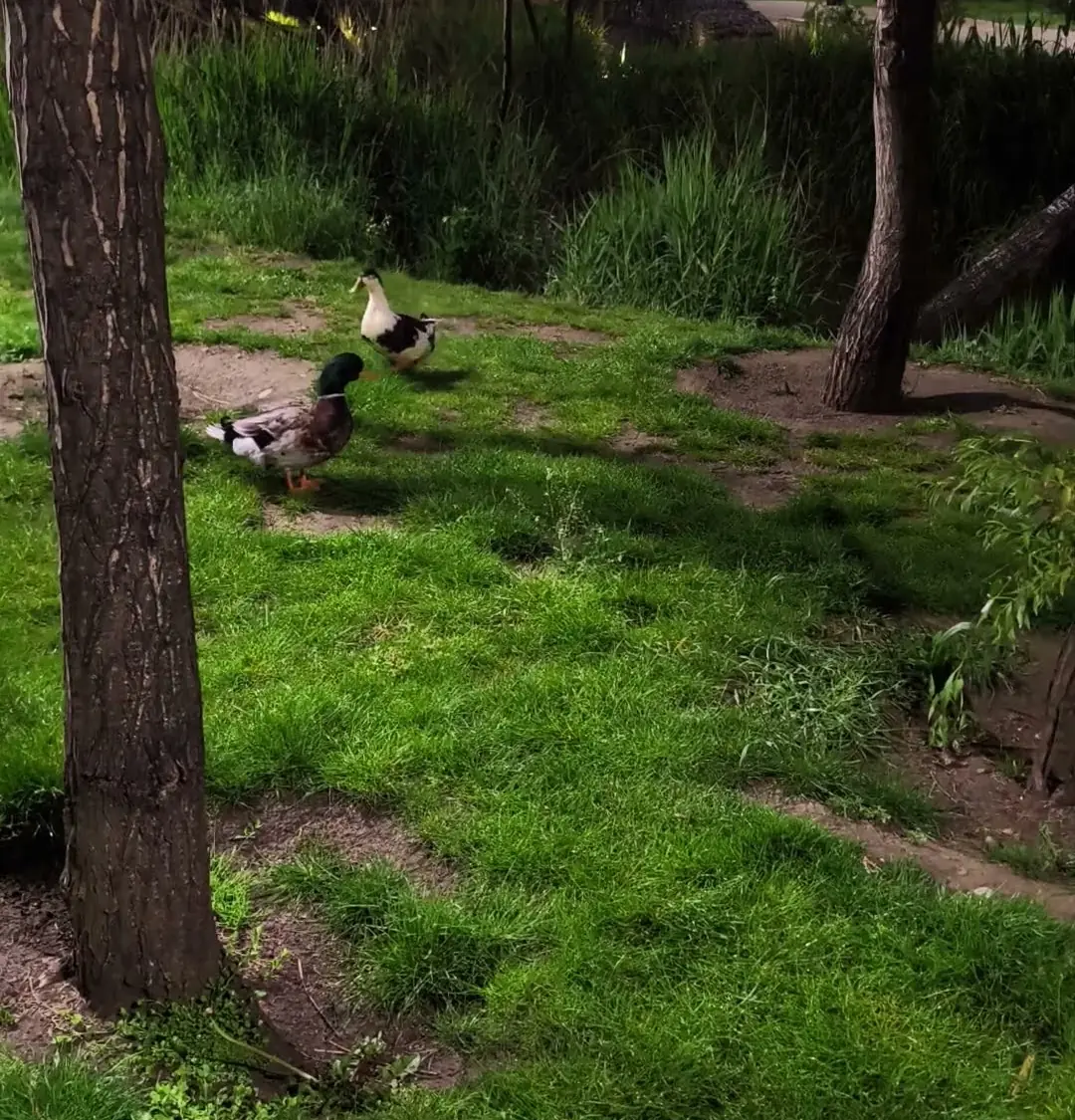
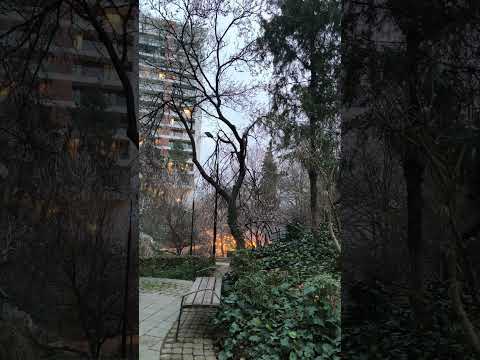
Videos from here




The story of the place
Mziuri is a children's town, a park of rest and culture in Tbilisi, in the valley of the Vere River. It was dreamed up not by an architect but by a writer: Mziuri is laid out after the stories of Nodar Dumbadze.
Dumbadze was born in Tbilisi in 1928. In 1937 his father was shot; his mother was arrested and exiled, and released only in 1946. The boy was raised by relatives — three years with his aunts in Sukhumi, then with his grandparents in the village of Zenobani.
He began with poems — many of them became songs — and with humorous stories in the magazine Niangi, but his fame came from prose: six novels and collections of stories written over a quarter of a century. Readers loved his very first novel, Me, Grandma, Iliko and Illarion, at once, and the writer knew the people behind his characters in life. With others of his generation he turned away from the pomp of party literature and from prettifying life: his heroes are ordinary people with a rich inner world, and every one of his books ends in hope, because, as the Georgian Encyclopedia puts it, the author believed that man, the sun and life are eternal. Robert Sturua staged his novels at the Rustaveli Theatre, Tengiz Abuladze and Lana Gogoberidze filmed them, and for the novel The Law of Eternity he received the Lenin Prize, the highest award in the USSR for achievement in literature and the arts; his books have been translated into many languages, and plays based on them were staged abroad too. From 1981 until his death he headed the Writers' Union of Georgia, and in 1987 his house museum opened in Tbilisi.

In the late 1970s Dumbadze published an article titled "A Dream Has Never Killed a Man" — that is, no one has ever died of a dream. In it the writer dreamed of a children's town being built in the Vere valley, a Georgian Disneyland of sorts. A whole team of architects worked on the design, and Mziuri opened in 1982. Its name means "sunny" in Georgian, but where it comes from is not known for certain: guidebooks link it with the children's band Mziuri, founded back in 1971.
Dumbadze died on 14 September 1984 and was buried right here, in the children's town that had been his idea. Only twenty-five years later to the day, on 14 September 2009, were his remains moved up to Mtatsminda, to the Pantheon of writers and public figures.
On 13 June 2015 the Vere flooded. More than twenty people died; the water also swept through the zoo next door, where dozens of animals and birds died, and Begi the hippo, wandering the city centre the next day, became the symbol of the disaster. In Mziuri the water destroyed the lower part of the park, laid out on the very bank of the river.
The renewed park, its lower part restored, reopened on 13 June 2020 — exactly five years after the flood; the European Investment Bank paid for the rebuilding, and the bed of the Vere had already been reinforced to lower the risk of new floods. Today it has an artificial lake, a skatepark and an amphitheatre with a stage, and the proceeds of the café in the park go to its upkeep. And on the seventh anniversary of the flood a steel sculpture of Begi by Erekle Tsuladze was set up in Mziuri; he had won a competition that City Hall announced in memory of 13 June.
Sources:
- Wikipedia (ka): Mziuri (park)
- Wikipedia (ka): Nodar Dumbadze
- Georgian Encyclopedia: Nodar Dumbadze
- Wikipedia (ru): Lenin Prize
- FrontNews: Sculpture of iconic hippo Begi opened in Tbilisi seven years from deadly flood
- Delegation of the European Union to Georgia: Mziuri park reopened
- Wikipedia (ru): Mziuri (ensemble)
- Madloba: Mziuri park
- Georgia Travel: Mziuri park


