
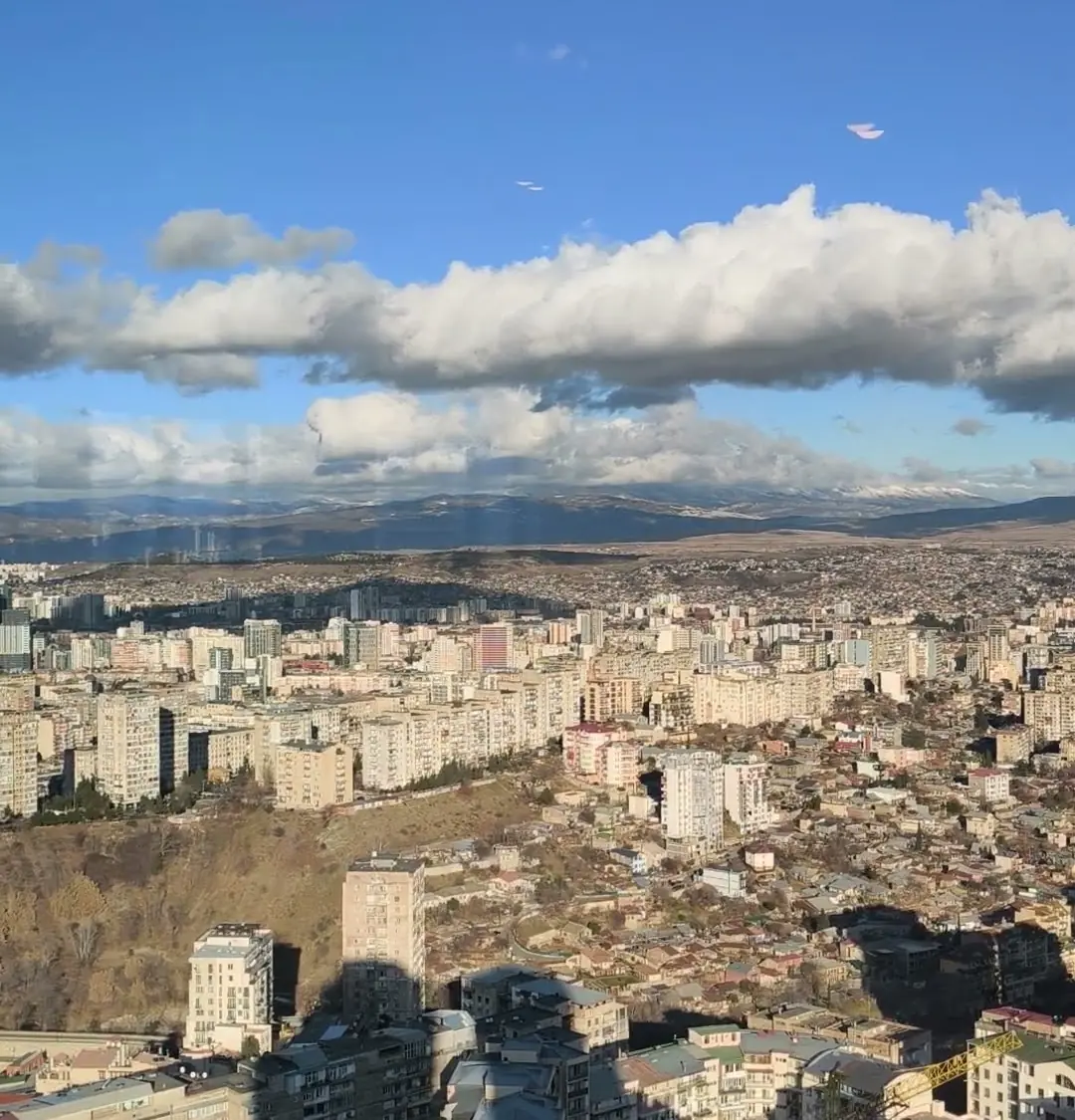
Videos from here
-
 Tbilisi Towers
-
 How high is this rooftop? 👀 Tbilisi
-
 Would you watch this sky all day? Tbilisi ☁️
-
 Tbilisi Vake Neighbourhood
-
 Tbilisi Vake Neighbourhood
-
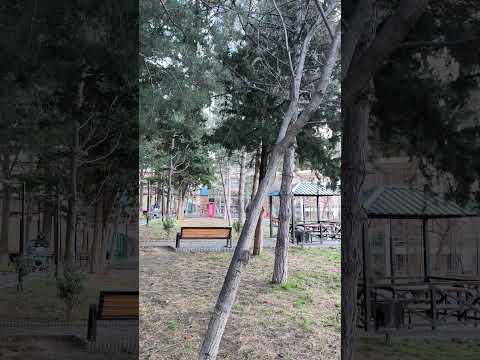 Tbilisi courtyard
-
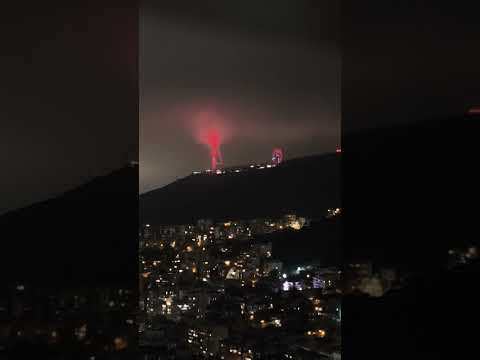 Tbilisi TV Tower and Mtatsminda Park
-
 Tbilisi park snow
-
 Tbilisi park snow
-
 Tbilisi Ilia Chavchavadze Avenue
-
 Tbilisi Dog
-
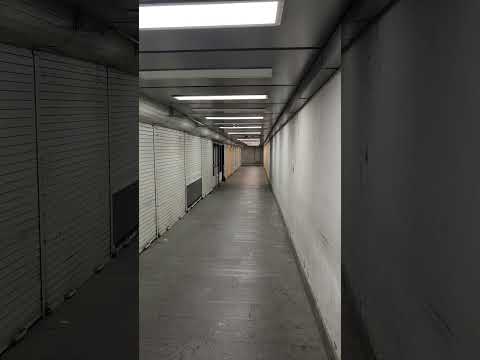 Tbilisi underground passage
The story of the place
Vake is a neighbourhood in the south-west of Tbilisi, on the right bank of the Mtkvari; it begins at Heroes Square and climbs towards the mountain slopes. The name appeared in the nineteenth century and means a level place — in Sulkhan-Saba Orbeliani's dictionary, “vake” is explained as “flat land”. Today it is one of the city's largest residential districts, and its main street is Ilia Chavchavadze Avenue.
- Varaziskhevi Street
- Petre Melikishvili Avenue
- Ilia Chavchavadze Avenue
Vake grew up on the land of old Vera. At the start of the twentieth century a ravine cut it off from the city to the east, the little Vere River bounded it to the north, and the mountain slopes to the south and south-west. The old Tskneti road led here through Vera. Building along its city stretch — Tskneti Street, today's Petre Melikishvili Avenue — had just reached the ravine, which was crossed by a small bridge, and on the 1906 plan of Tbilisi only one building is marked beyond the ravine — the Nobility Gymnasium. Later a theological seminary was built a little way off, and another plot was set aside for a cadet corps. The seminary building was later held for many years by an agricultural institute, and then by a hospital, while an institute of physical culture in time settled on the cadet corps' plot. At the same time, early in the century, Vake became part of Tbilisi.
But serious building began only in the 1920s, and for a long time a single street, Melikishvili, linked Vake to the centre — until the middle of the century a narrow street of one- and two-storey houses; it was widened only in 1948. Then in 1957 the lower part of the ravine, the Varaziskhevi, was filled in, and a broad street of the same name was laid along it, which still leads from Heroes Square to Chavchavadze Avenue.
The Nobility Gymnasium building, put up at the turn of the century to a design by Simon Kldiashvili, is today the main building of Tbilisi State University. The university opened on 26 January 1918, the feast day of King David the Builder, and was then the first and only institution of its kind in the whole Caucasus. It was founded under the leadership of the historian Ivane Javakhishvili, who gave its first lecture; its first rector was the chemist Petre Melikishvili. In his lifetime, in 1924, Tskneti Street — the very street that was long the only road into Vake — was given his name. Both are buried in the university courtyard, and beside them lie many renowned scholars. In 1957 busts of Ilia Chavchavadze, Akaki Tsereteli and Vazha-Pshavela were set up at the entrance.

Ilia Chavchavadze Avenue is the same Tskneti road, only beyond the ravine: it starts at Varaziskhevi Street, where Melikishvili Avenue ends, and runs parallel to the Vere. In the 1920s this stretch of the road became University Street, and in 1957, for the 120th anniversary of the writer and poet's birth and the 50th of his death, it was given the name of Ilia Chavchavadze. Building began in the 1930s, and most of the apartment houses went up before the war of 1941–1945. A bust of Nodar Dumbadze stands on the avenue, and the Mziuri children's town, built in 1981–1982 and dreamed up by the writer himself, opens onto it. Dumbadze was buried there, and only in 2009 were his remains moved to the Pantheon on Mtatsminda.
The avenue ends at Vake Park, laid out after the war on the slope of the Trialeti Range and long known as Victory Park — it has a story of its own — and from there a cable car climbs to Turtle Lake.
Sources:


